20th September 2000 CEST
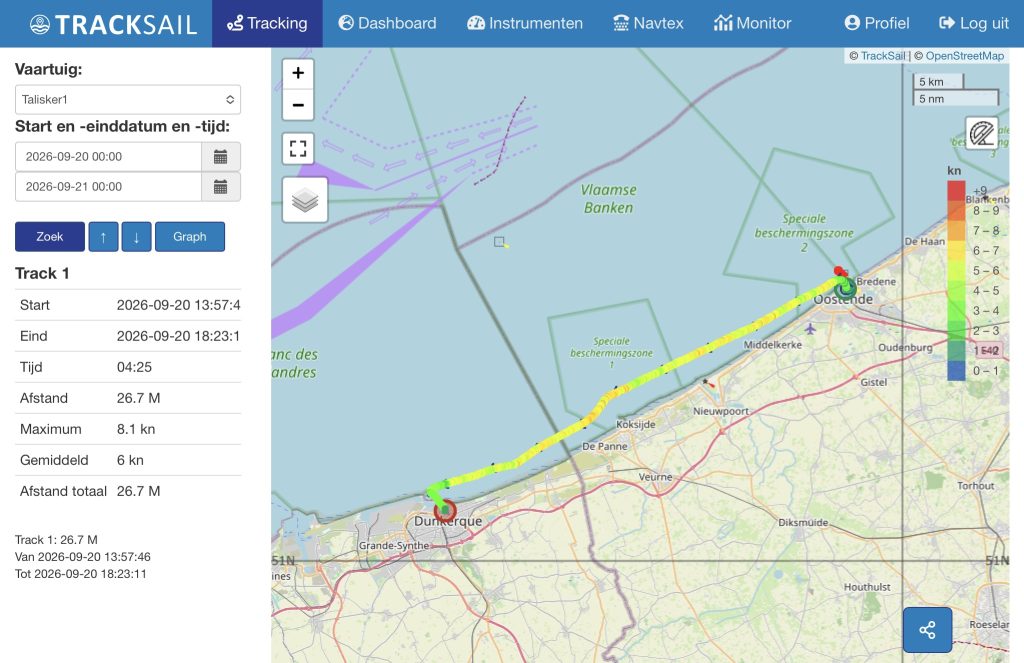
20th September Oostende to Dunkerque
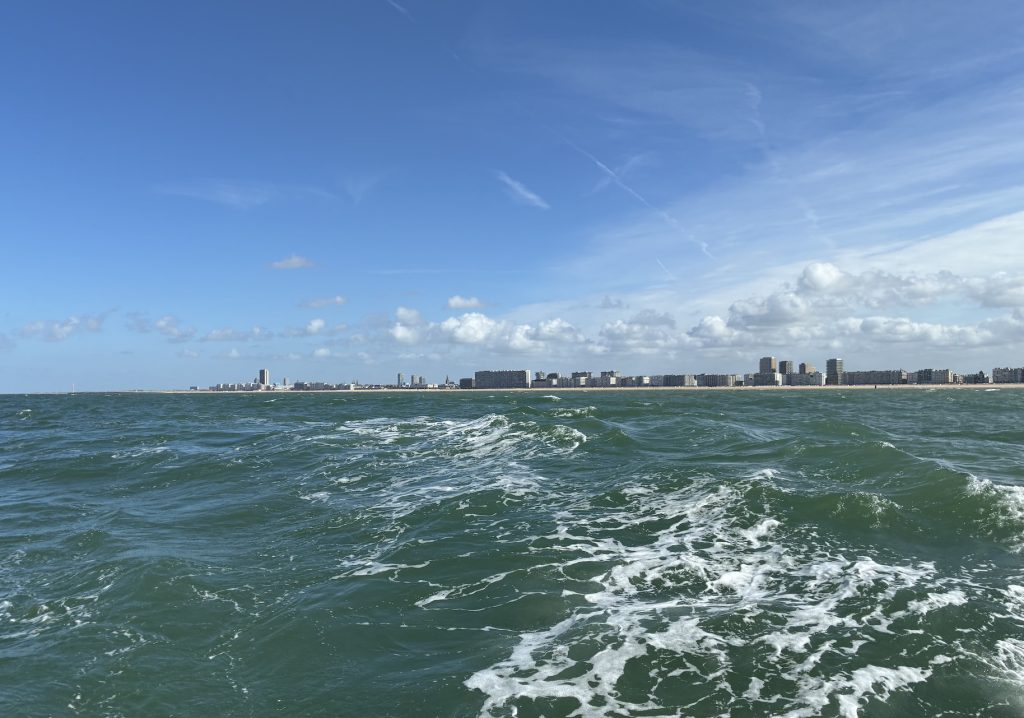
20th September underway from Oostende under a reefed main and stay sail
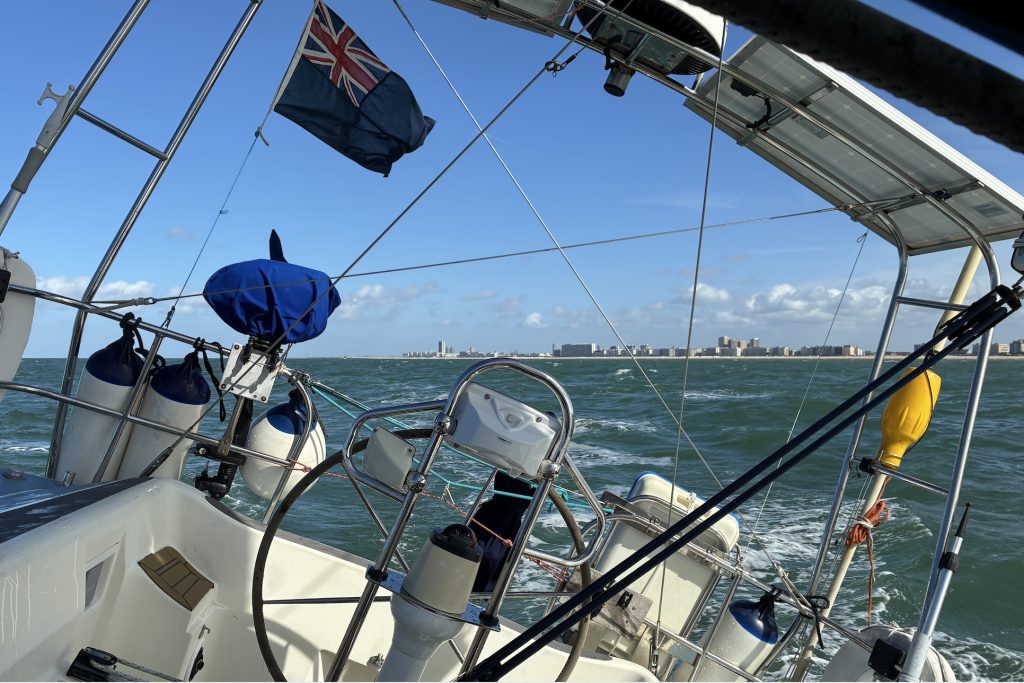
20th September
Dunkerque! We are alongside at the YC de la Mer du Nord. I don’t think I’ve been to Dunkerque for years! Coming up Channel two or three years ago I think I sailed from Boulogne straight to Oostende.
Over the last few days in Oostende it had been blowing a little too hard from the south west for my liking. Oostende Harwich was doable but did I really want to be thrown about for twelve hours? With a clean bottom perhaps. ‘Talisker 1’ is not quite her slippery self at sea and she is not responding at close quarters under engine (dirty prop and bottom).
The wind was going to veer north west early this afternoon and steadily decrease towards evening. Leaving at 1400 CEST we took the tidal stream all the way from Oostende to the eastern entrance to Dunkerque.
The north westerly 6’s and the left overs of days of stronger south westerlies had created a messy sea and we were underway from Oostende under a reefed main and stay sail. Half way to Dunkerque and with the breeze easing to a 4 to 5, we set the genoa, and furled the stay sail.
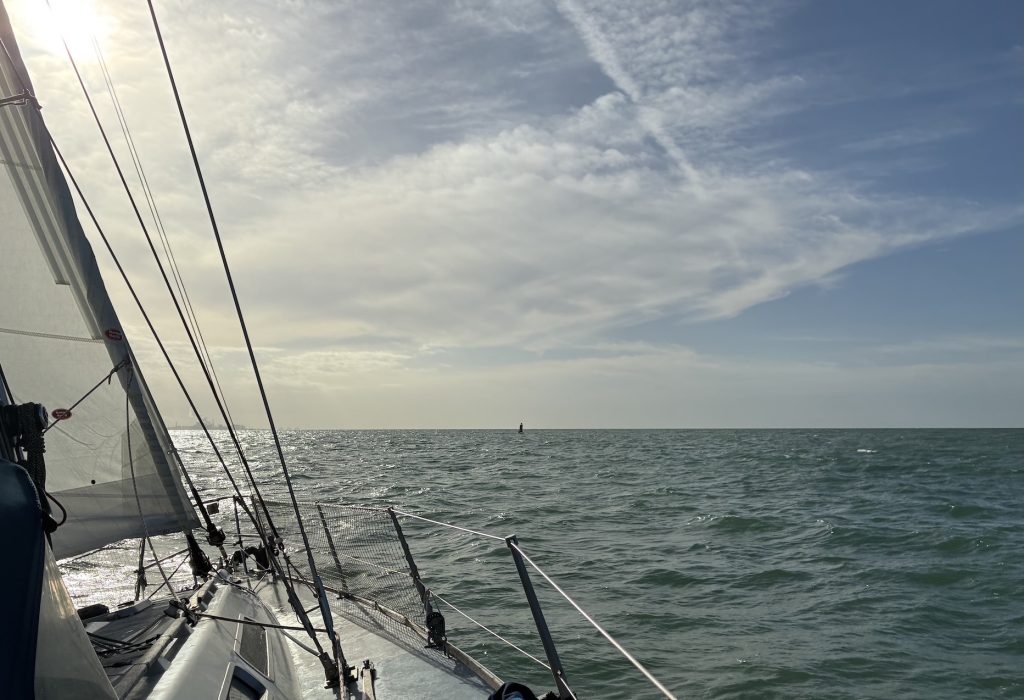
20th September with the breeze easing to a 4 to 5, we had set the genoa, and furled the stay sail
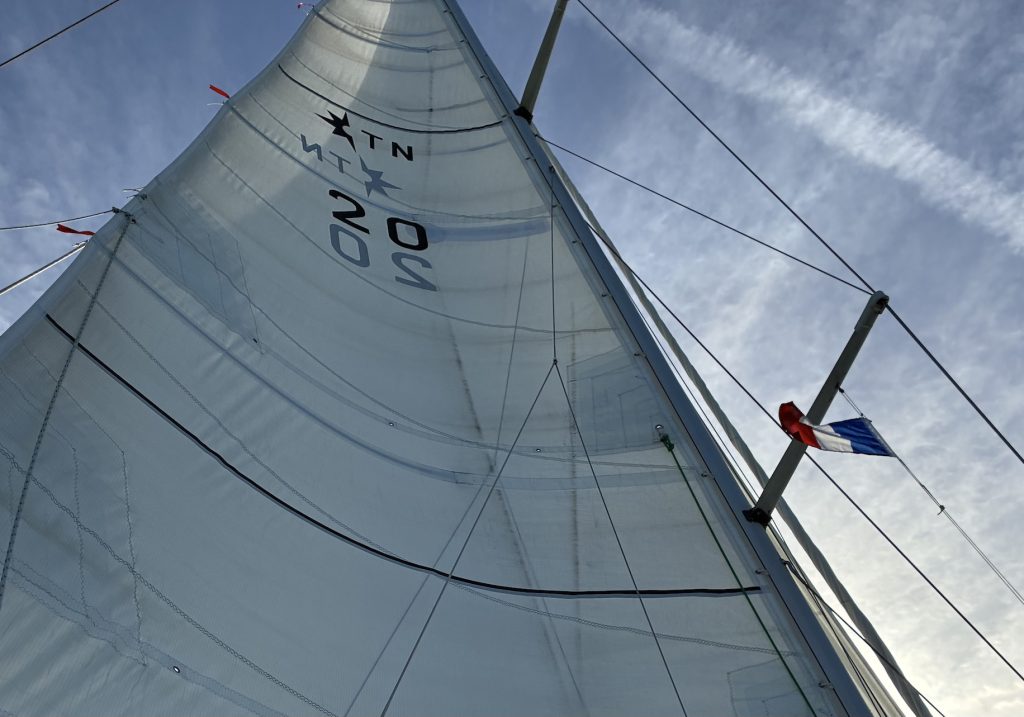
20th September & a French courtesy flag
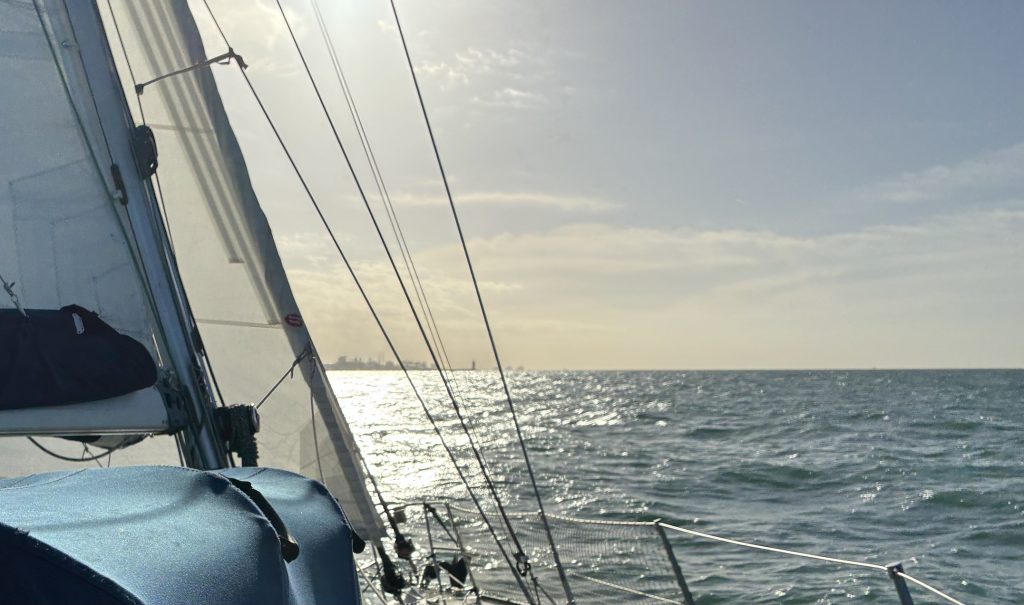
20th September Dunkerque eastern entrance approaches
A day that began windy with rain had slowly cleared. We set off with clearing skies and by late afternoon in the approaches to the iconic eastern pier it was beautiful on the water.
It had not been the most comfortable ride to start with.
There was the usual shiver running through me as we sailed down the coast and looked at the beaches in the approaches to Dunkerque. I think of this difficult coastline and the array of boats and ships that rescued the British & Allied troops in late May early June of 1940. And the French troops left behind that became POWs.
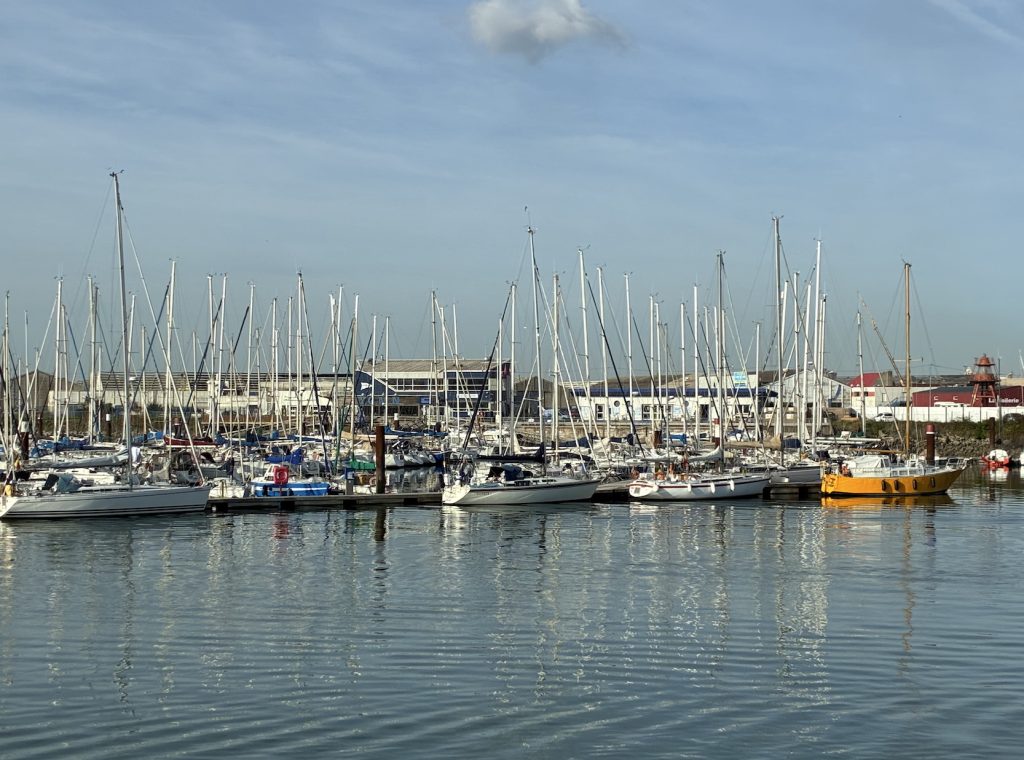
21st September ‘Talisker 1’ alongside YC de la Mer du Nord
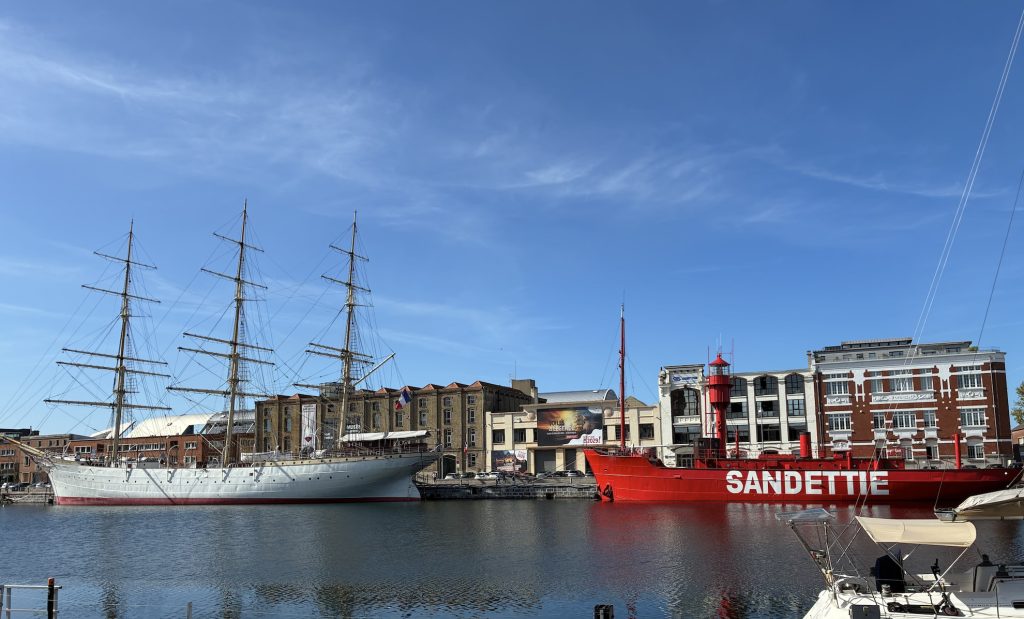
21st September The ‘Duchesse Anne’ & the Sandettie LS in from of the Dunkerque Maritime Museum
22nd September
We visited the Museum Dunkerque 1940 yesterday and took the bus (free) to the Fort Des Dunes today. A visit to the beaches at very low water is one for the future. We none of us in the UK have had to cope with invasion. Memories don’t go back to 1066.
23rd September
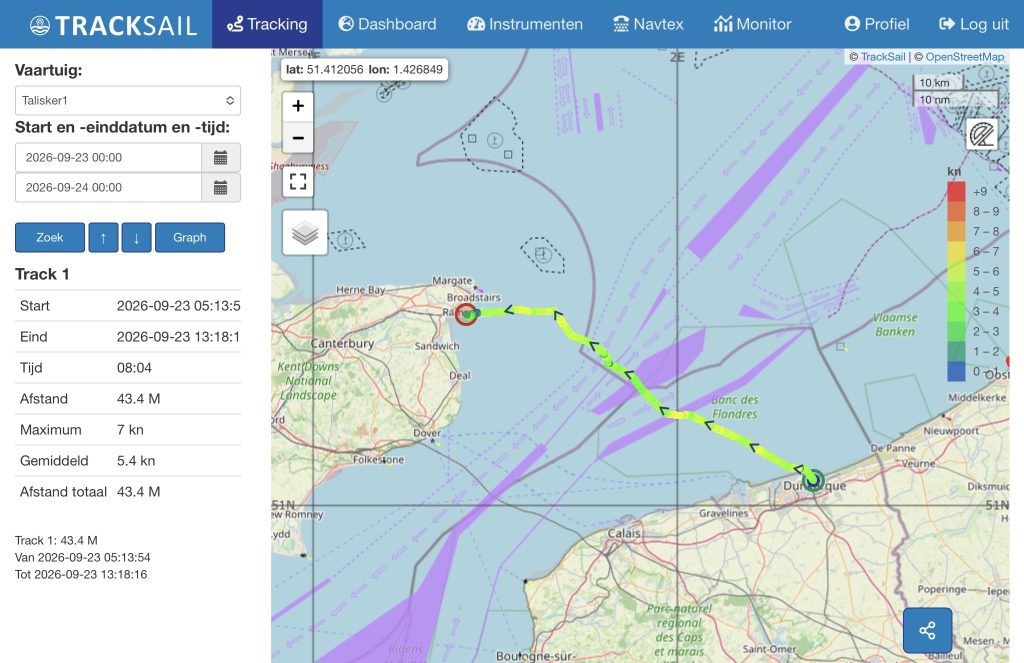
23rd September Dunkerque to Ramsgate
Ramsgate. The outer marina is virtually empty.
Take any berth you like!
I gently kissed the end of the pontoon with the bow alongside the finger. I’d already stepped off and I was line handling with the boat quite still. The edges of the pontoon are a man made soft material so I was not on my ‘metal’. The corners, where the finger meets the pontoon, are rusty sharp metal. Very disappointing! They don’t appear to maintain this marina so much! ‘Talisker 1’ now sports a war wound on her stem. I’ve polished it out already, but I might have to grind a tiny bit out and repair it properly on the hard in the winter.
I’ve had an email from Border Force. Take my Q flag down on arrival.
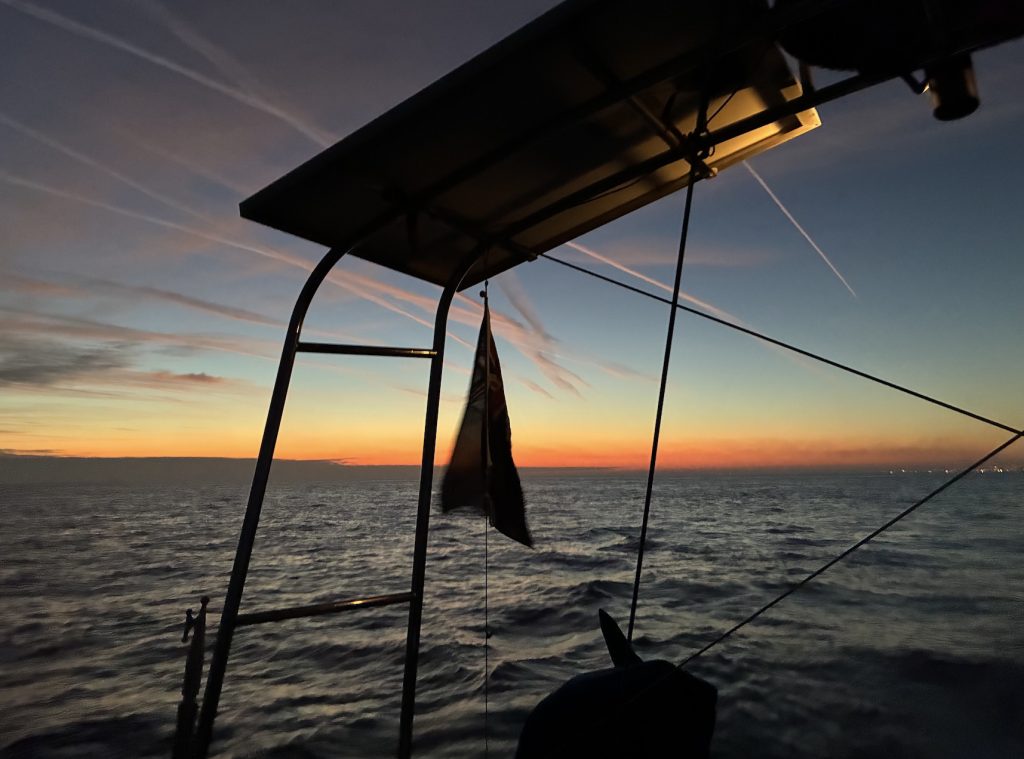
23rd September underway from Dunkerque
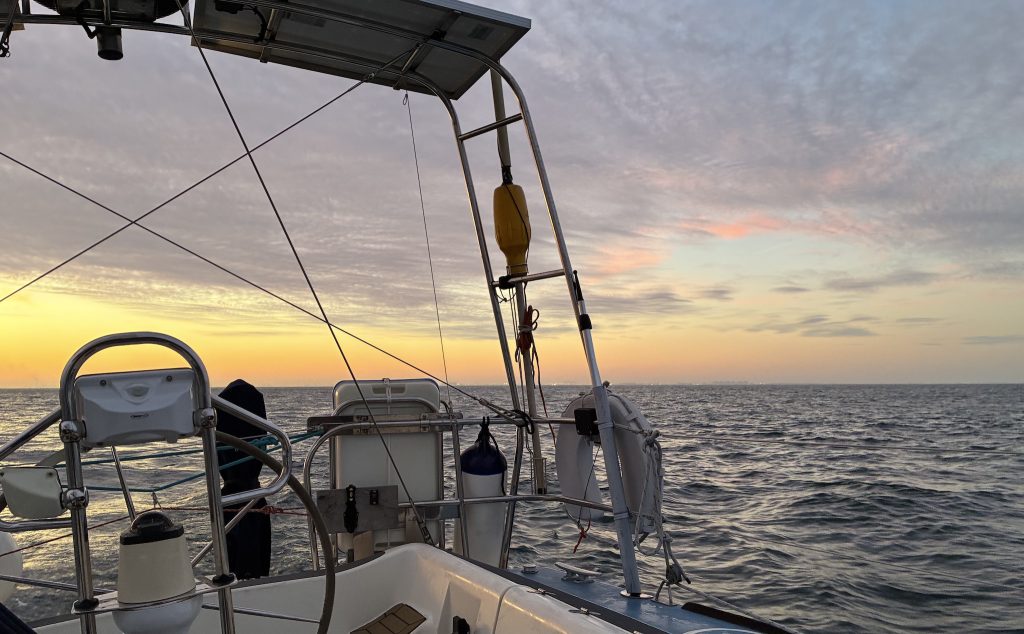
23rd September leaving the French coast astern
We motor sailed virtually the whole way leaving Dunkerque at 0400 BST. A lovely dawn and then a very busy TSS. With little wind, but just enough breeze to efficiently motor sail, it took some time to get across the Straits of Dover. And we had to heave to several times for traffic.
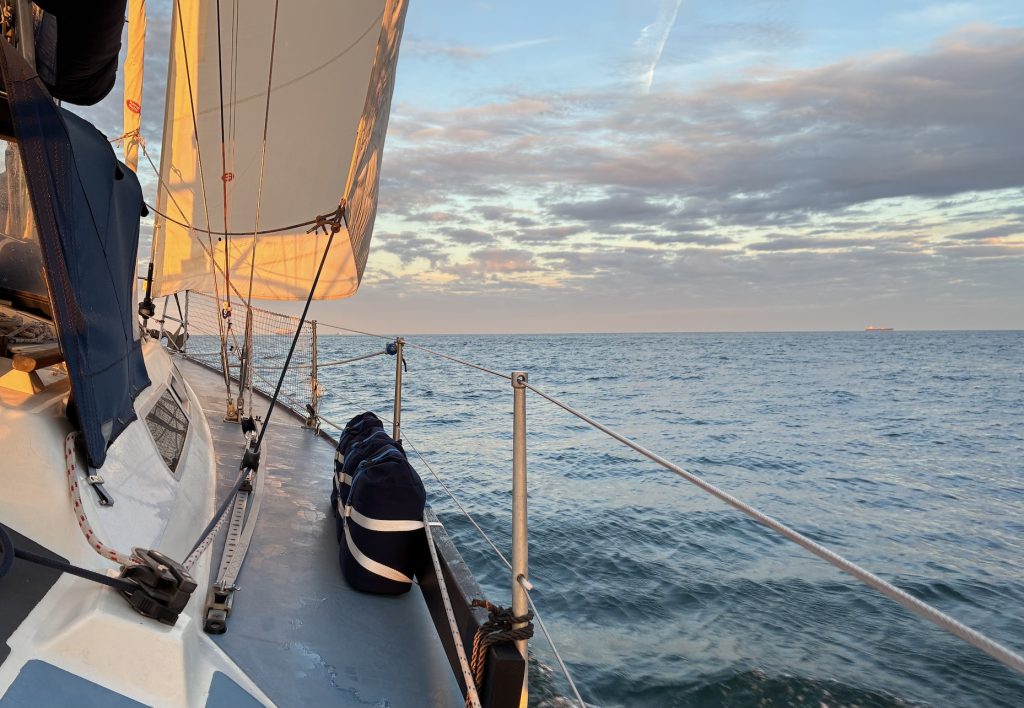
23rd September more wind please
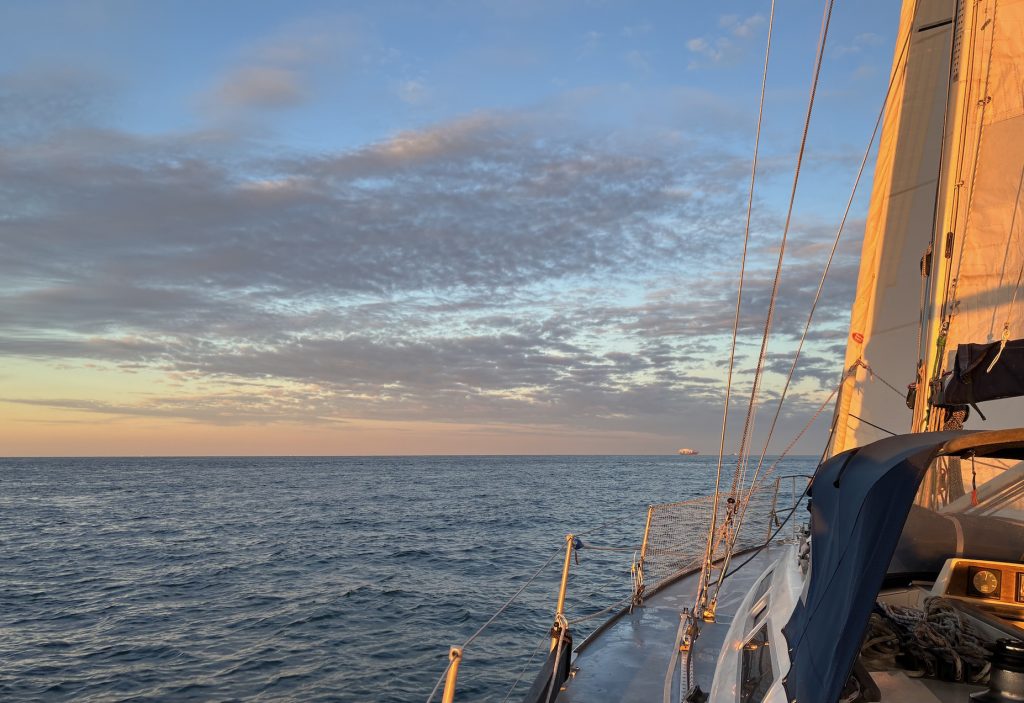
23rd September
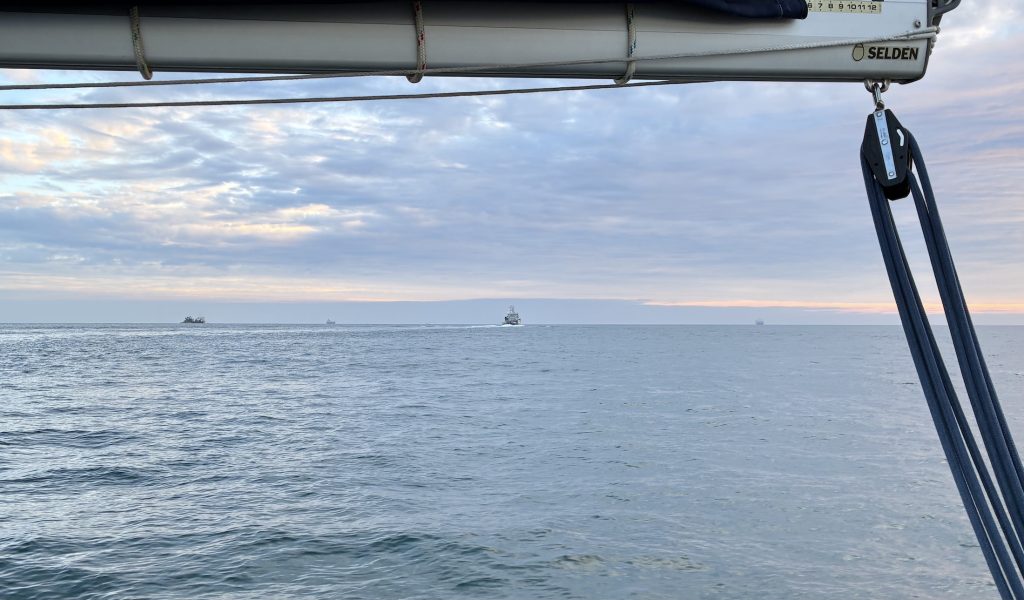
23rd September the NE TSS just above Sandettie. The vessel centre is military & her AIS is switched off. She was not going to give way …
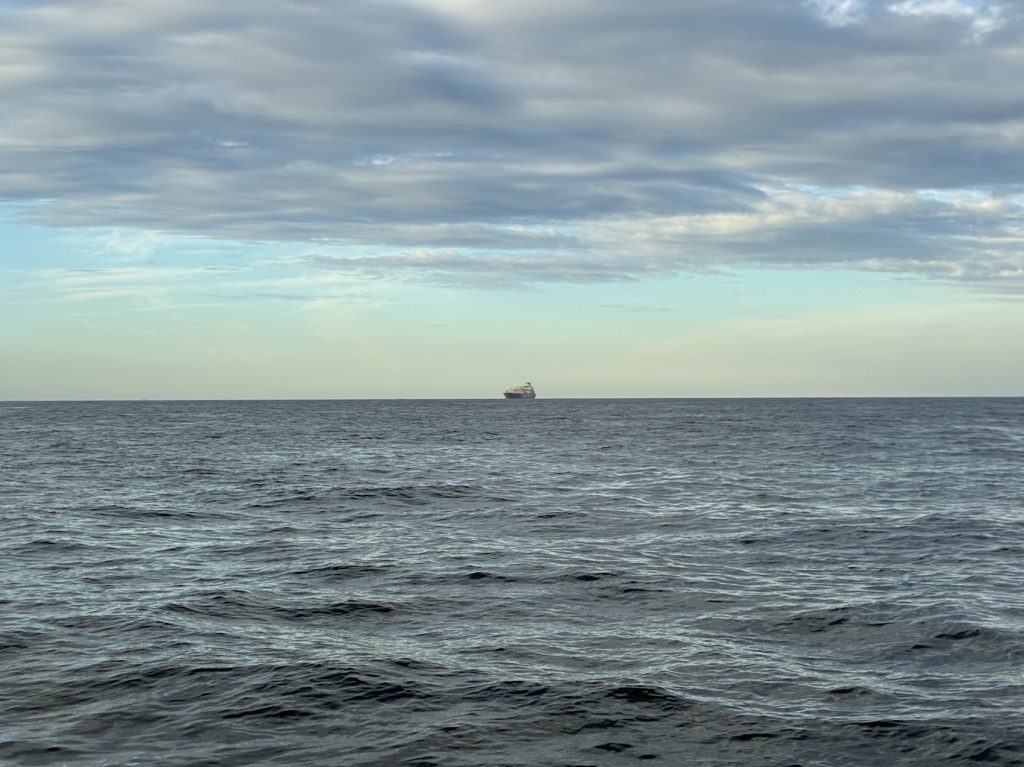
23rd September SW TSS
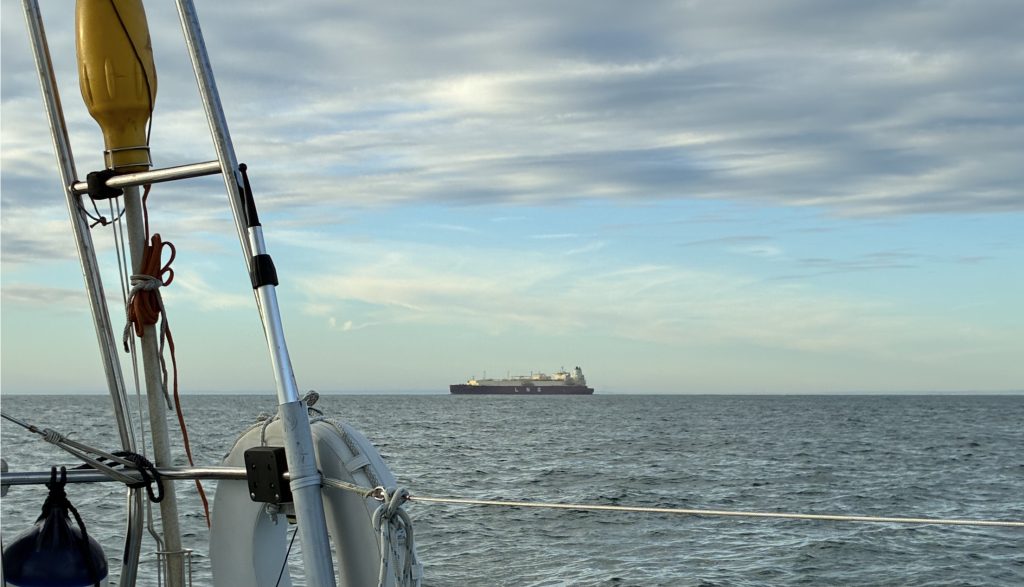
23rd September and about to resume our course
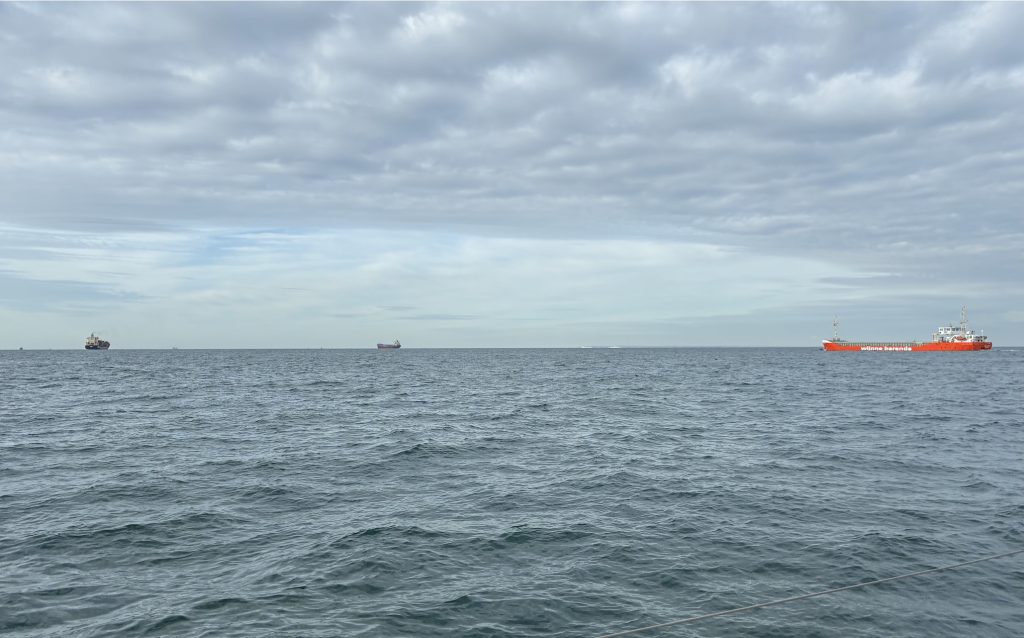
23rd September a gap now in the TSS for us to take advantage of, with these ships now to the west, and making their way down Channel
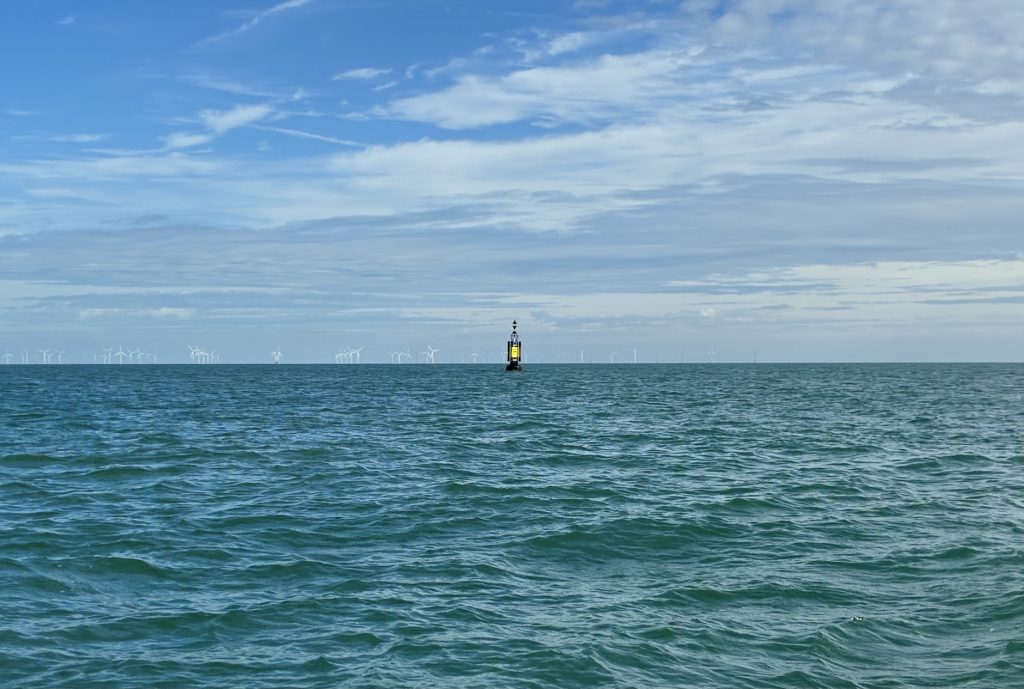
23rd September Goodwin NE ECM
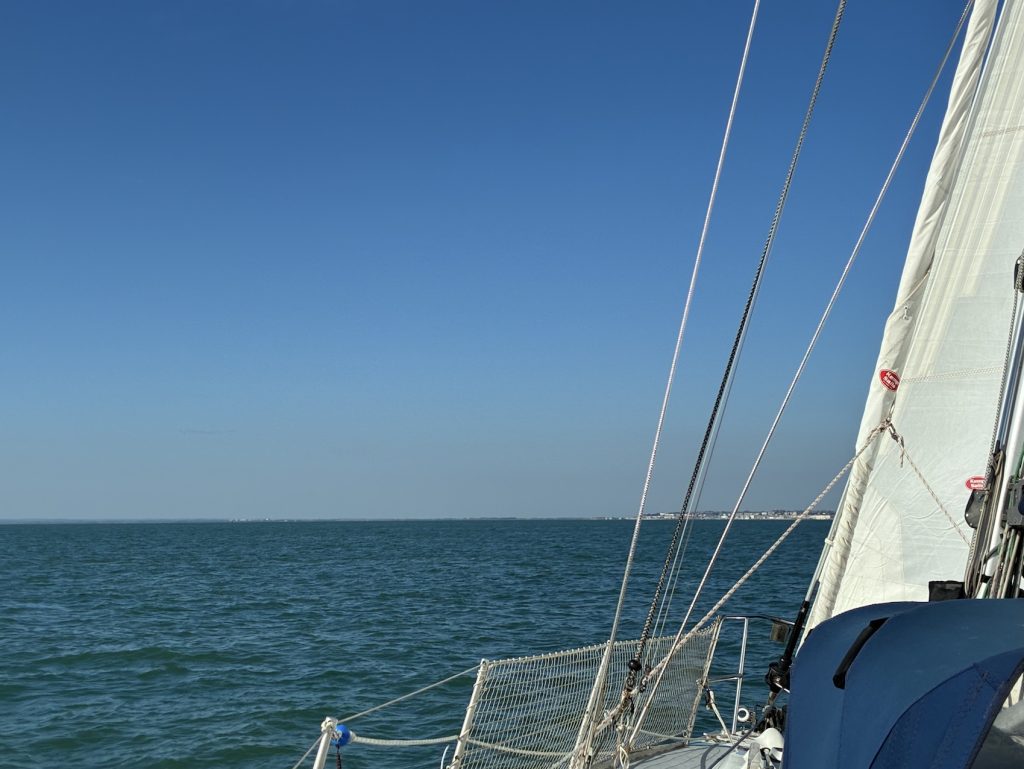
23rd September a little more wind in the Ramsgate approaches
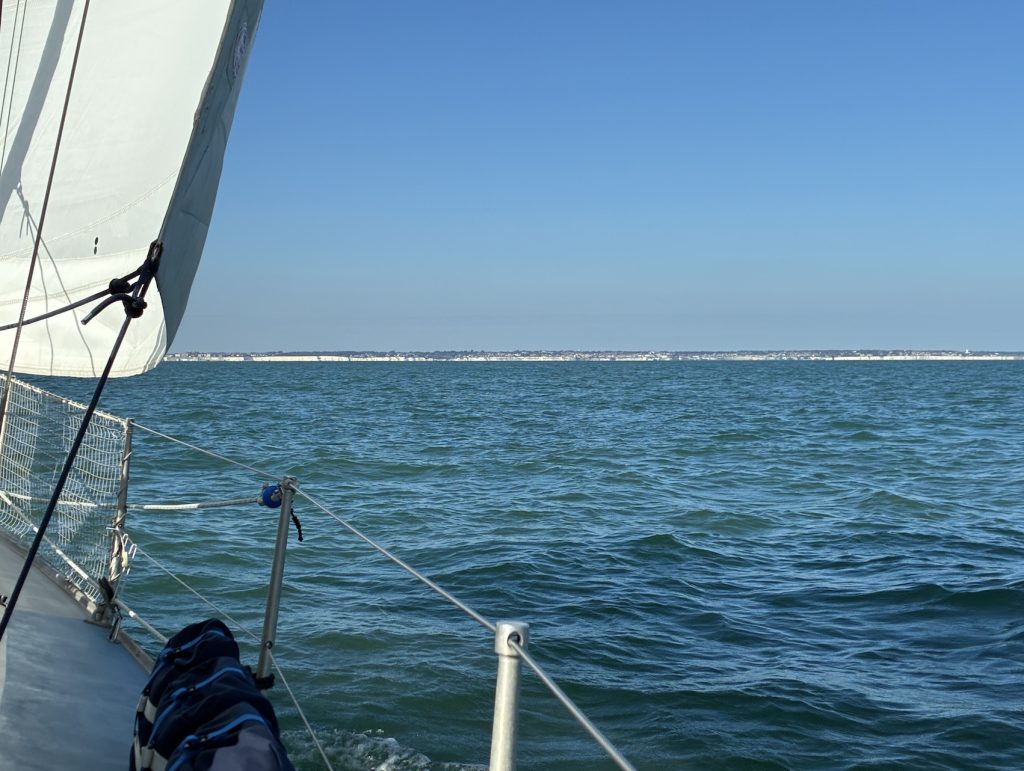
23rd September towards North Foreland
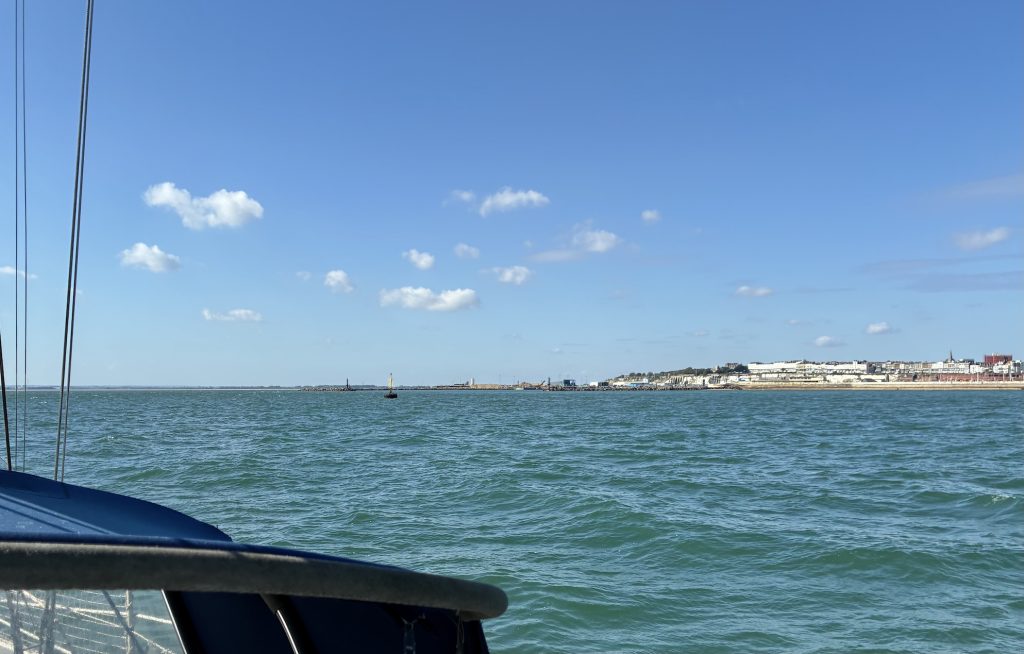
23rd September the entrance to Ramsgate Harbour
Once through the TSS I contemplated sailing to Harwich. The tidal stream was in our favour but the wind had not quite built enough, and it was going to die completely for a while in the Thames Estuary.
25th September
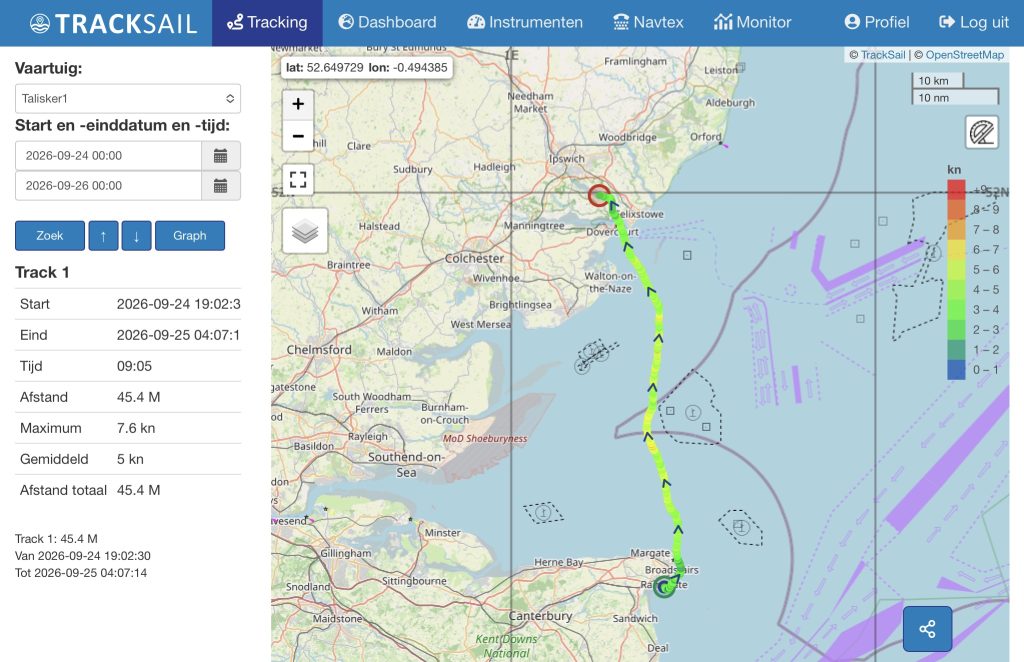
24th & 25th September Ramsgate to The Orwell
We are at anchor off Colton Creek, River Orwell having arrived here from Ramsgate at 0300 this morning.
It’s been a bit iffy returning from Belgium. Not tricky … just weather. Trying to find a compromise … as I do hate motoring with a vengeance. But I really had to get home.
It was not a lot of fun motor sailing across the Channel to Ramsgate from Dunkerque but needs must.
It’s not often that we’ve reached Ramsgate and had to search hard for even a relatively decent forecast timed to ride the ebb back across the estuary to Harwich. But on this occasion, the only sailing window was last night. If I wanted to get underway with the last of the daylight, we would have a foul tide for the first 20 miles. But leaving later, I would be knackered if I was still sailing at dawn this morning. As it was, 0300 was already still way past my bedtime.
I also felt there was little value in giving Ramsgate Marina another £45. They switched the electric off yesterday from 1000 to 1500 and did not bother to nip round and tell us!
The forecast was a building south easterly from early evening 3-5s.
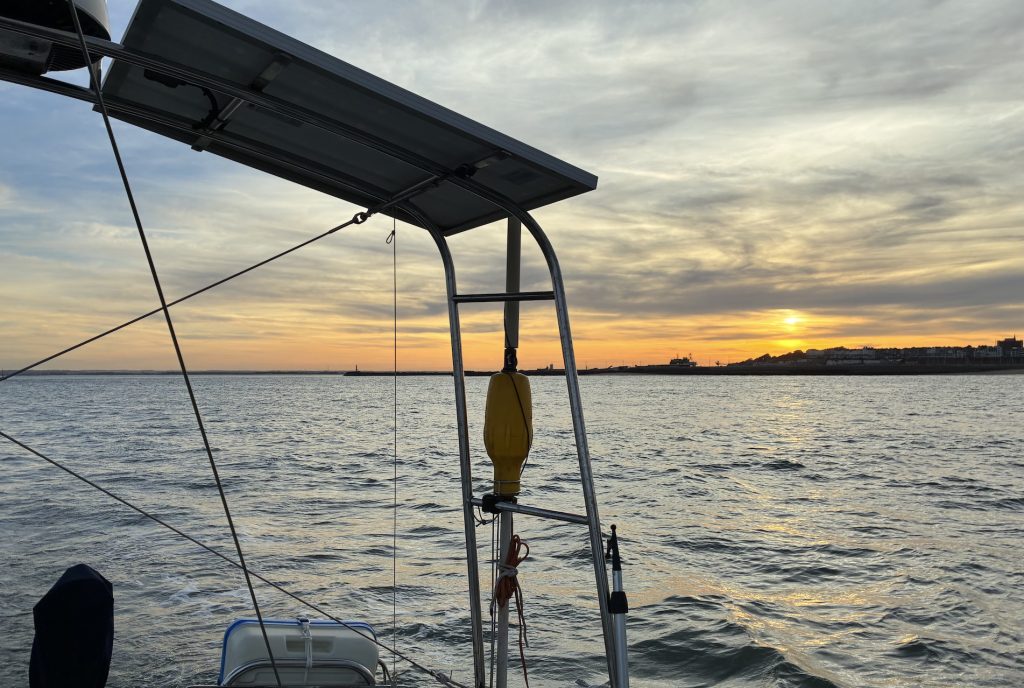
24th September underway from Ramsgate
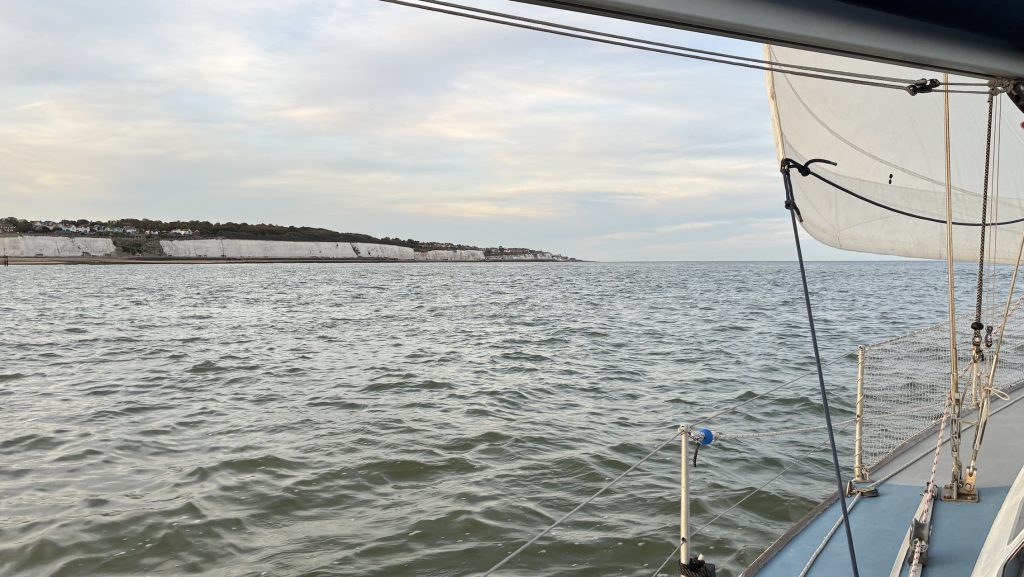
24th September
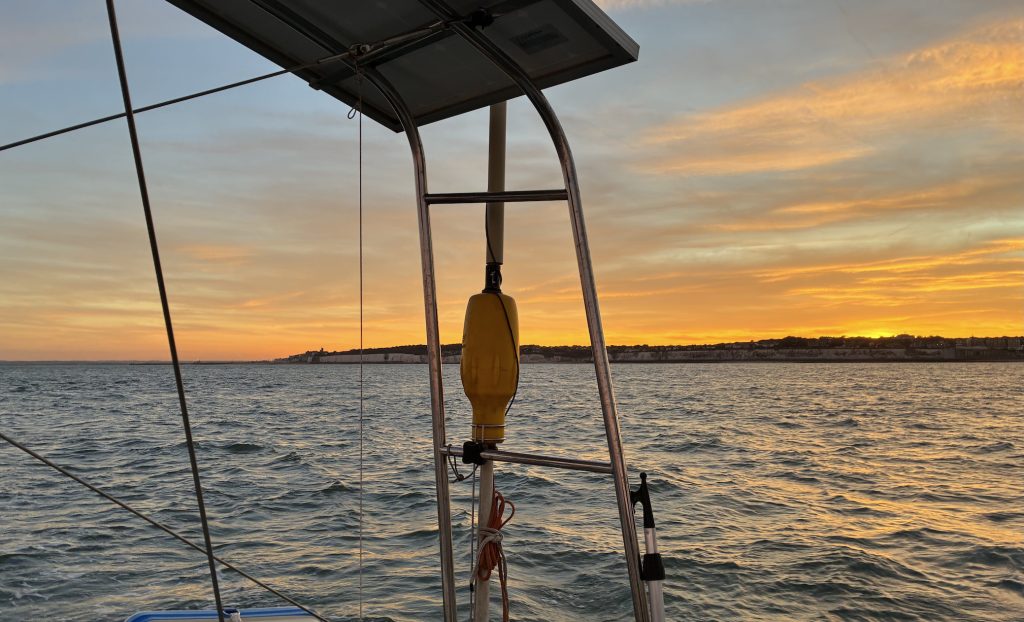
24th September
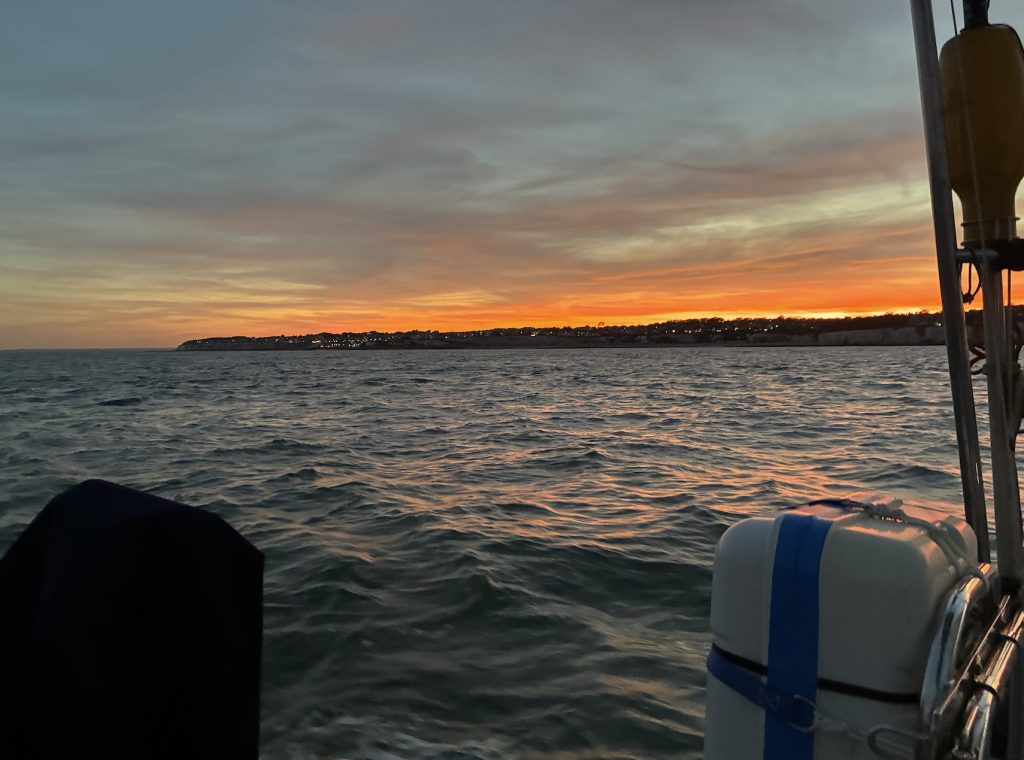
24th September sunset over North Foreland
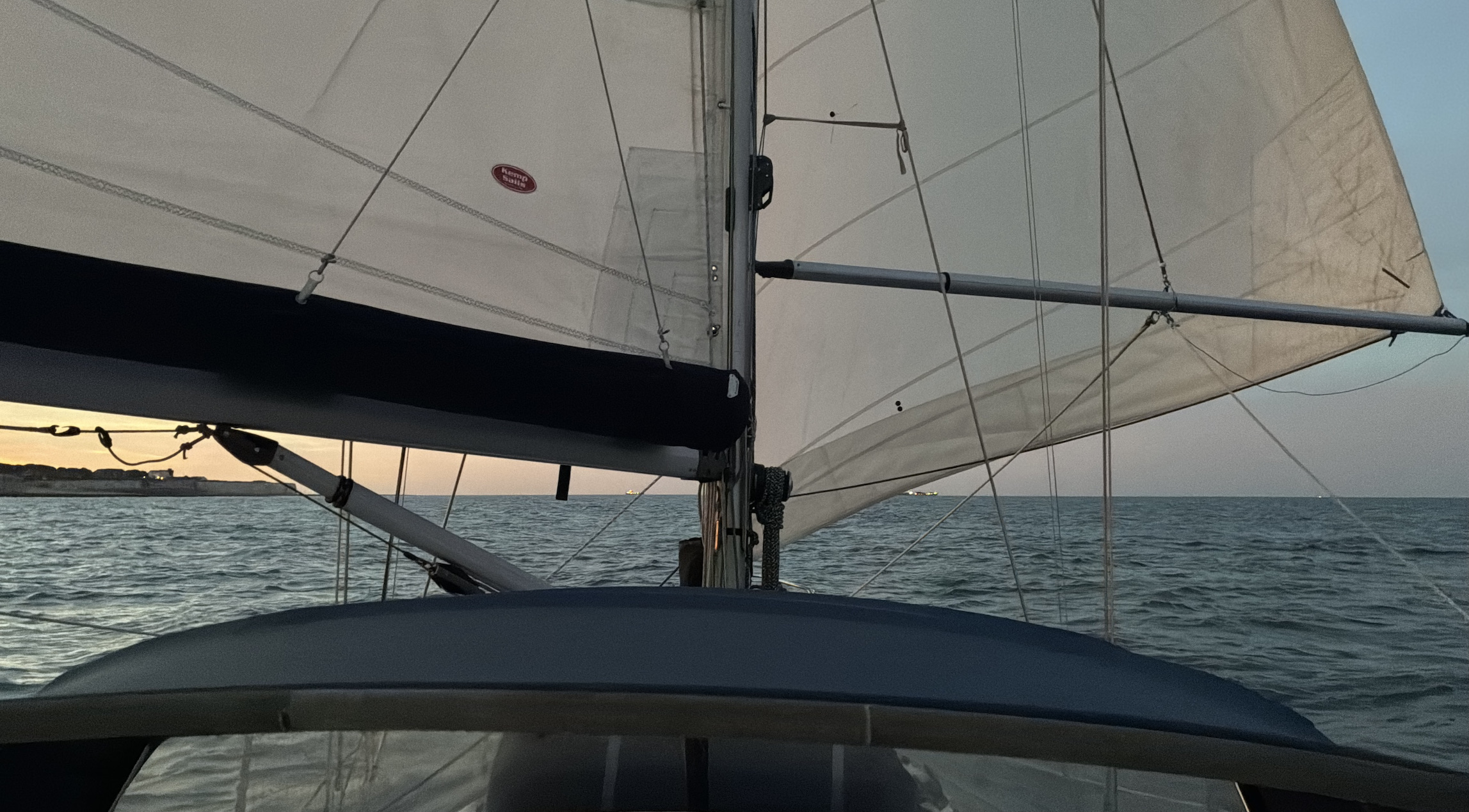
24th September
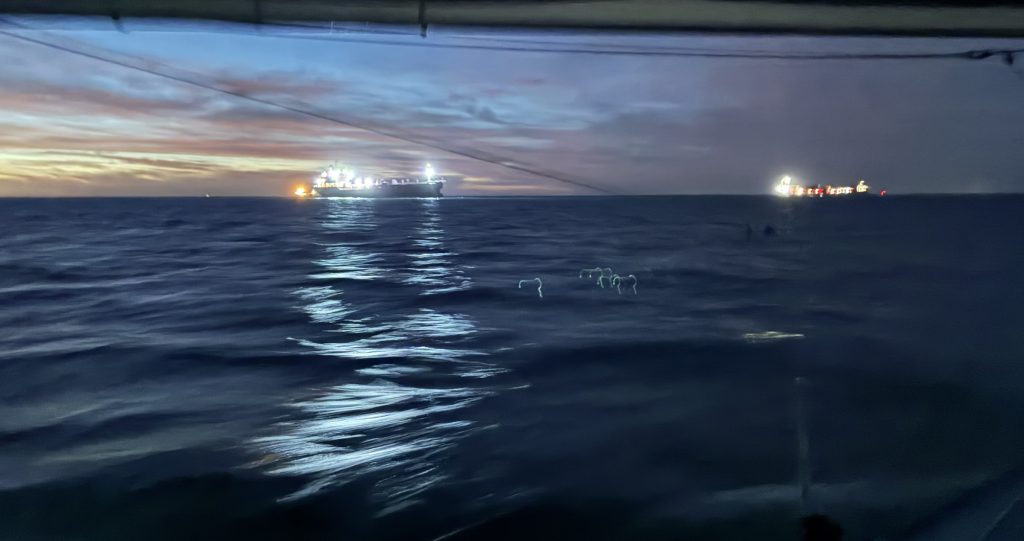
24th September the anchorage off North Foreland
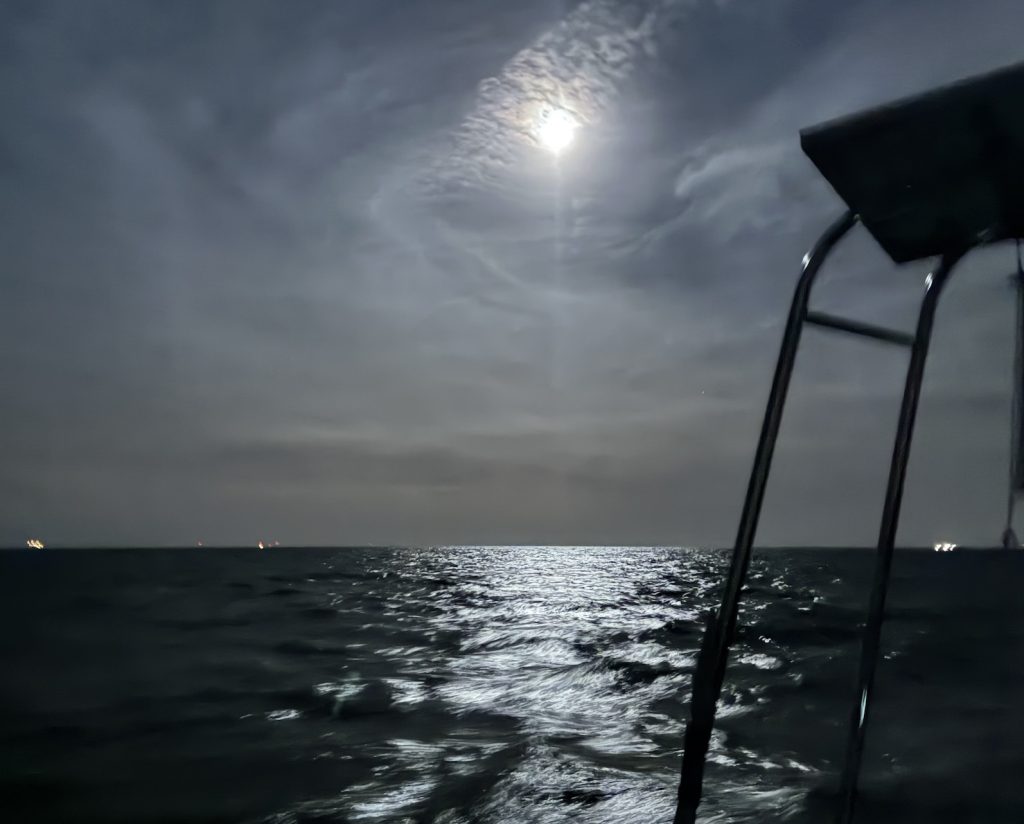
24th September looking south west
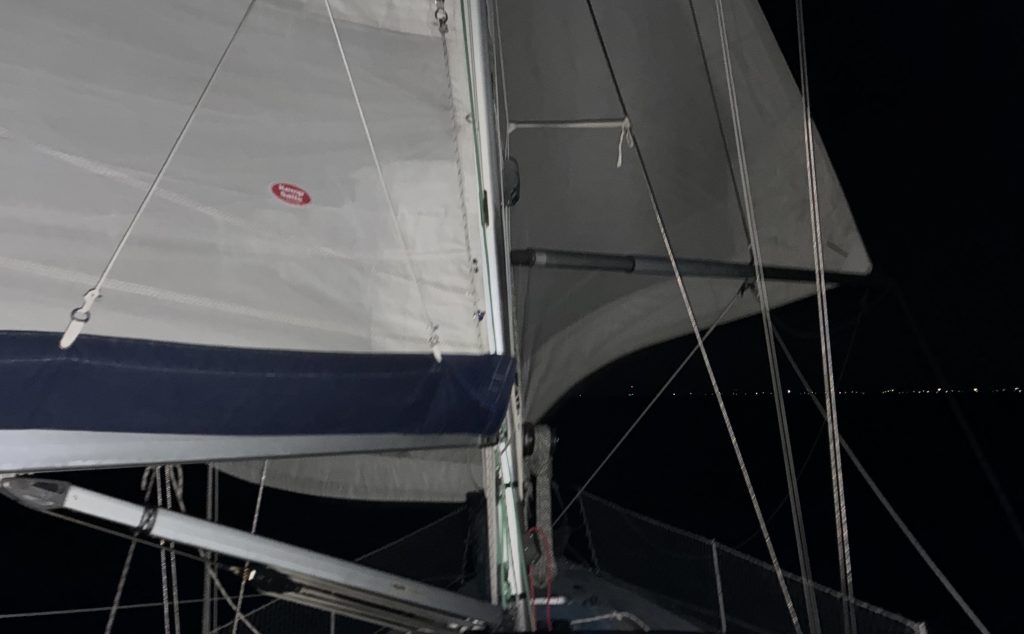
24th September the stay sail tucked in behind the main
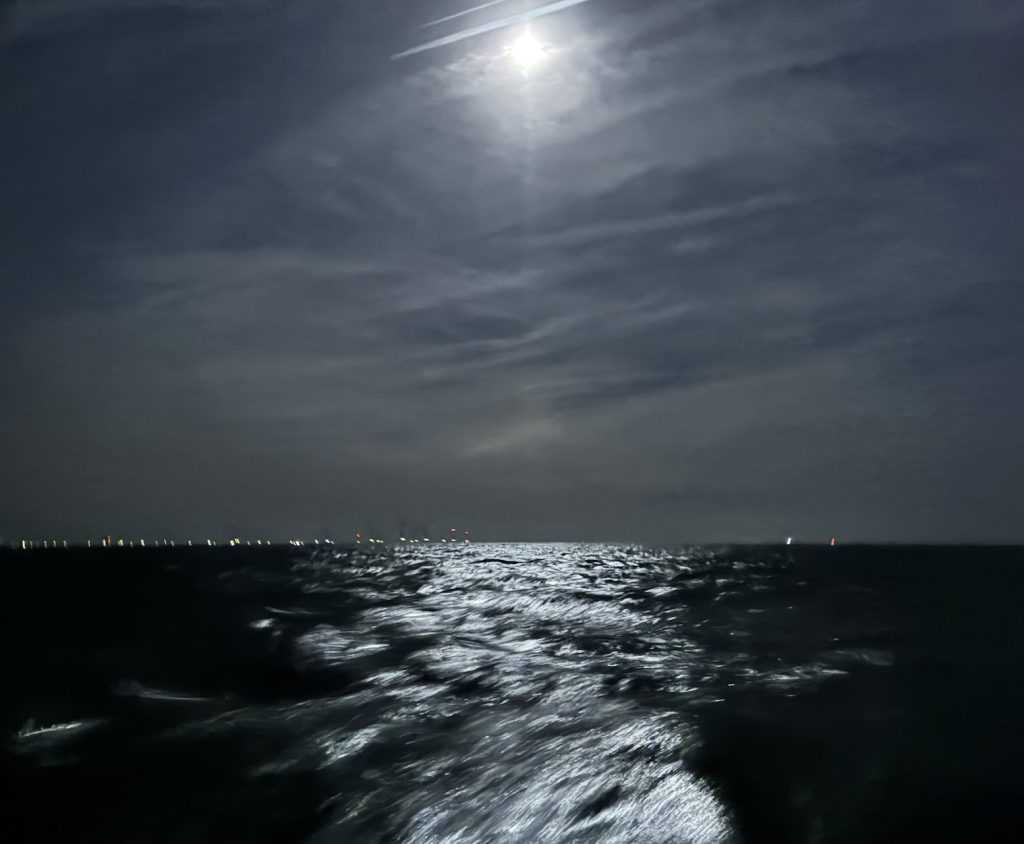
24th September into Black Deep & Fisherman’s Gat astern
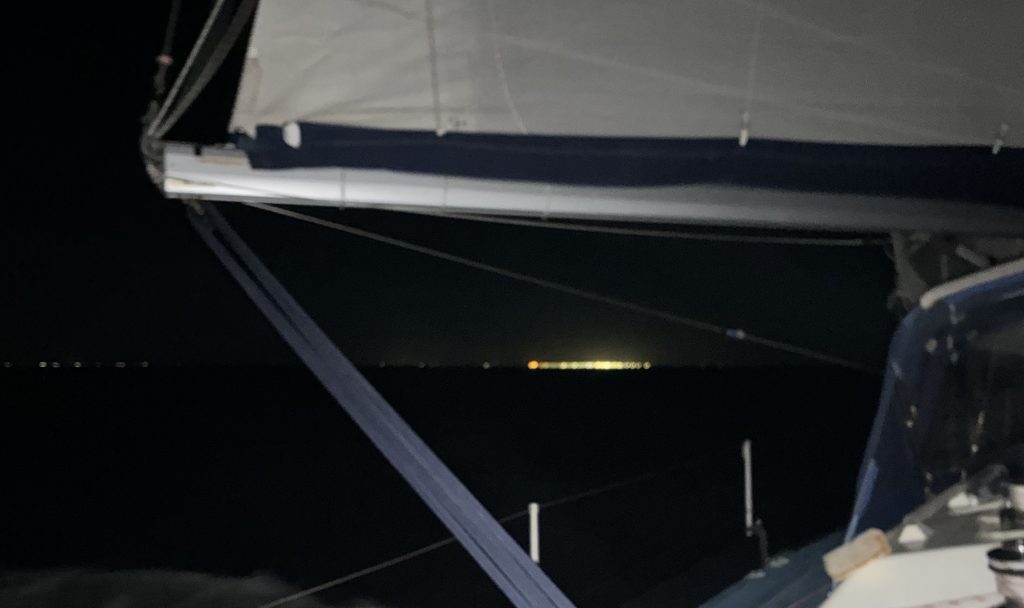
24th September at 2350 we are about to round the top of the Gunfleet Sands. The lights of Felixstowe off our Port Bow.
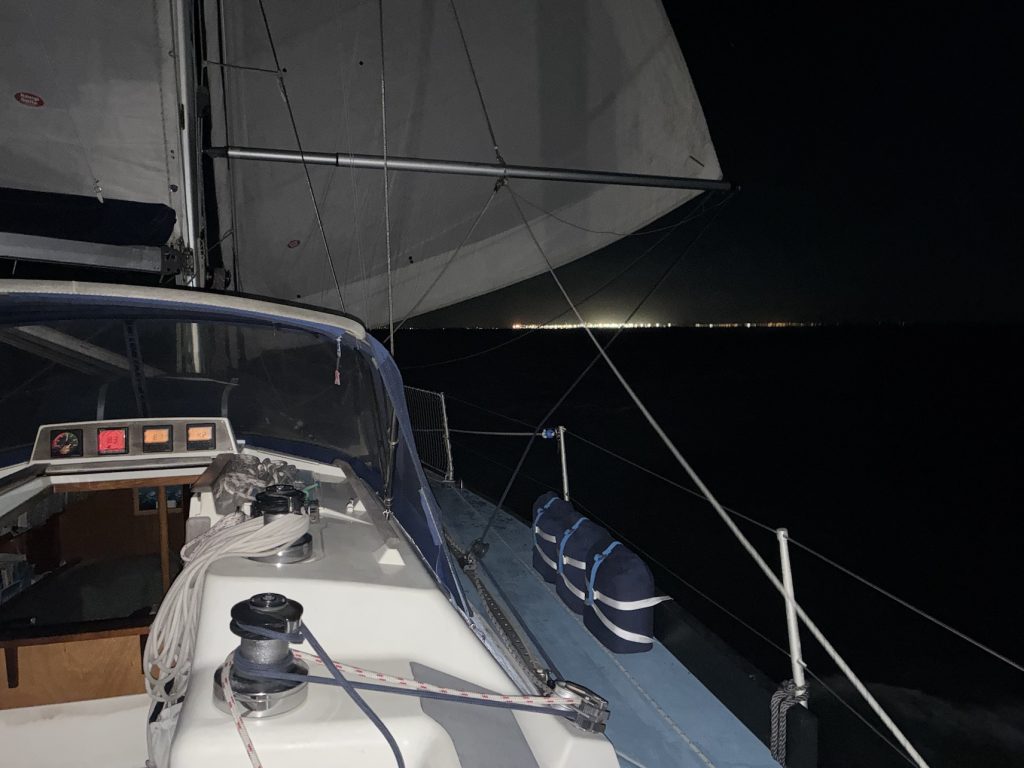
25th September 0031 & inbound to Stone Banks
Engine hours last night 1 hour.
It was certainly our longest Thames Estuary crossing in ‘Talisker 1’ due to the tidal stream, but enjoyable … yes. The visibility was perfect and the full moon illuminating our wake created a striking, silver lit trail across the dark water. The light, reflected off the wavelets, threw the shallow hollows into a sharp dark contrast and made the sea appear to be a moving, almost metallic landscape.
There was no effort, no hurry. I worked the boat busily, predominantly under full main and stay sail on starboard and a poled out genoa on a port tack. Rounding the NE end of the Gunfleet Sands we furled the stay sail and ran goosewinged to Stone Banks before furling the genoa, gibing the main on to port, and sailing under main only into the port of Felixstowe and on into the Orwell. I started the engine and dropped the main in the Suffolk YH approaches before motoring the short distance up river to Colton Creek.
We had entered the Port of Felixstowe with the 400 metre leviathan OOCL ‘Germany’. I’m always fascinated by the mastery of the Pilot and the Tug crews, not to mention the skipper and crew themselves.
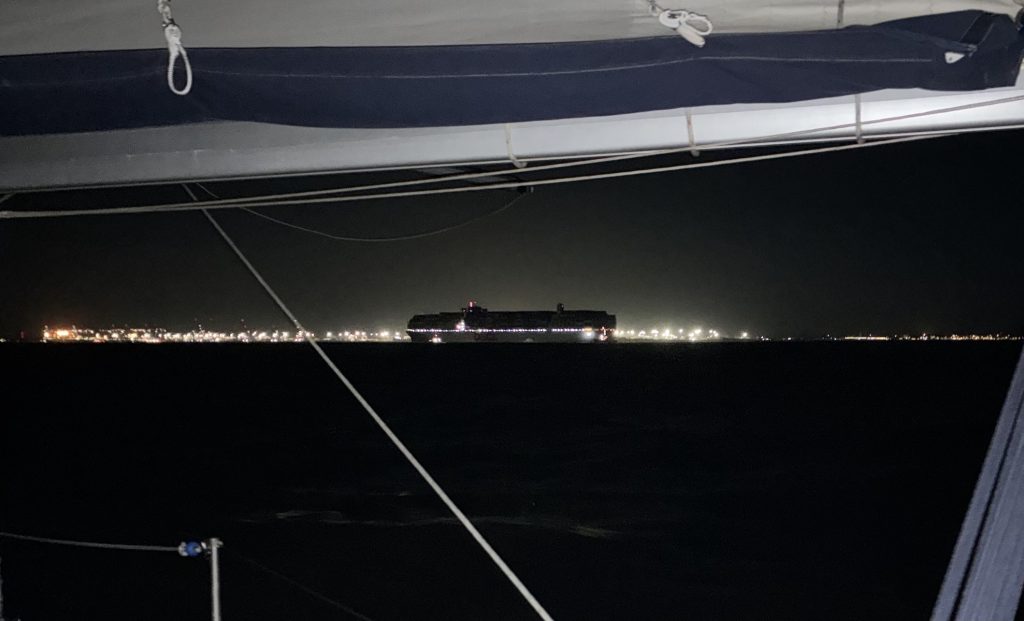
25th September the 400 metre leviathan OOCL ‘Germany’ rounding Languard inbound to the Port of Felixstowe
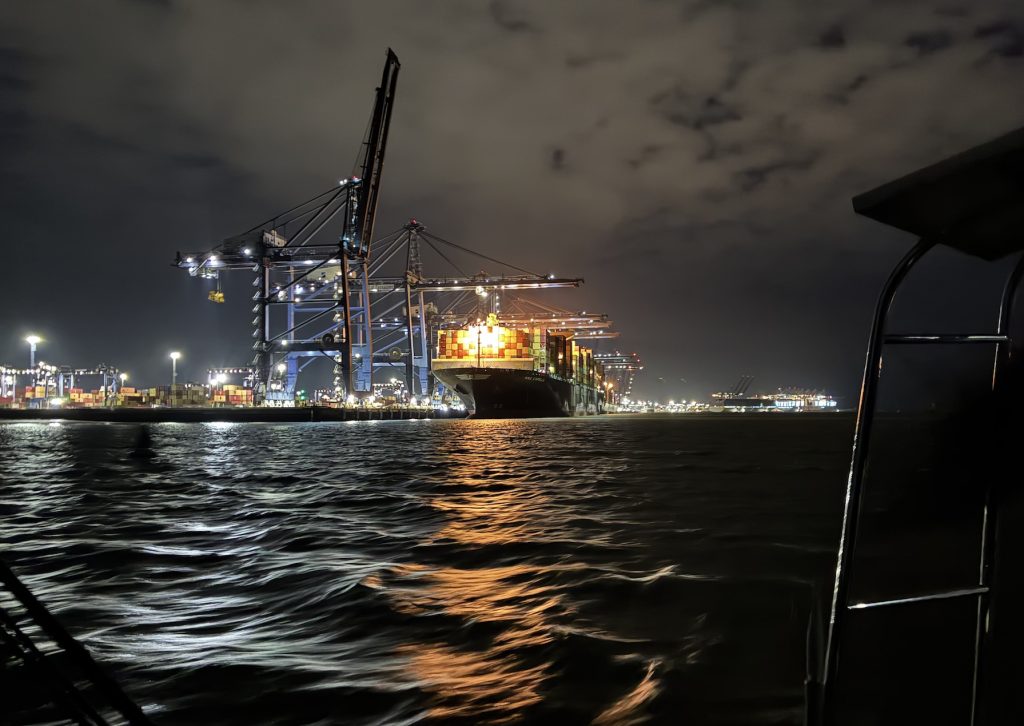
25th September Felixstowe Docks
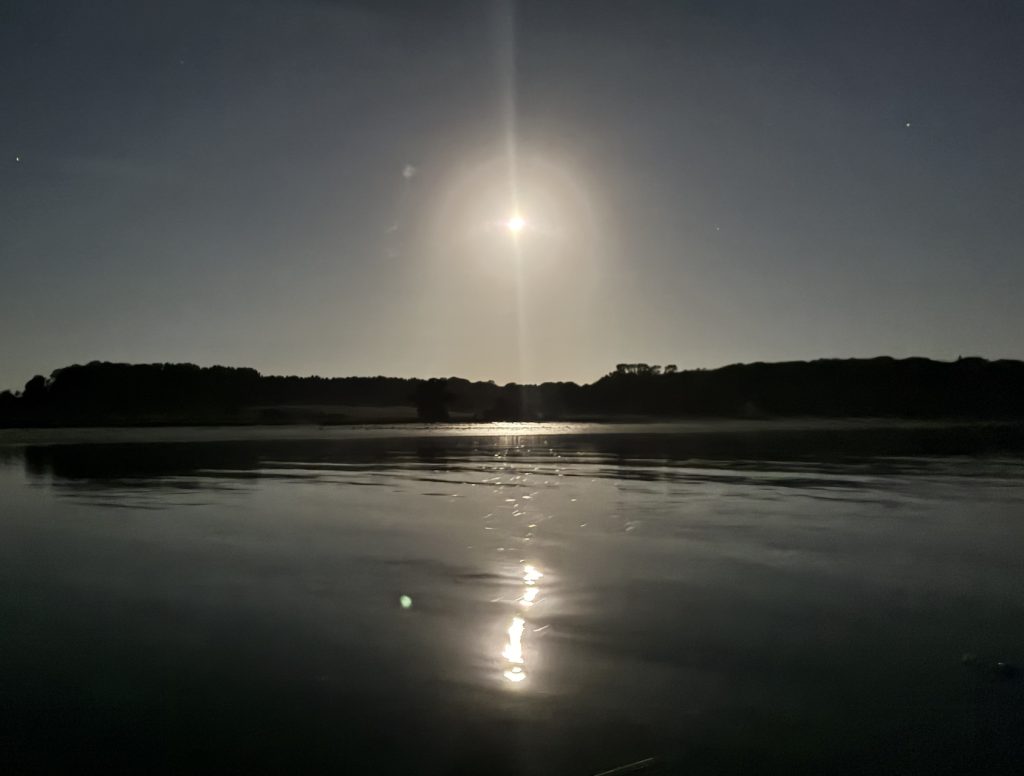
25th September 0330 at anchor off Colton Creek
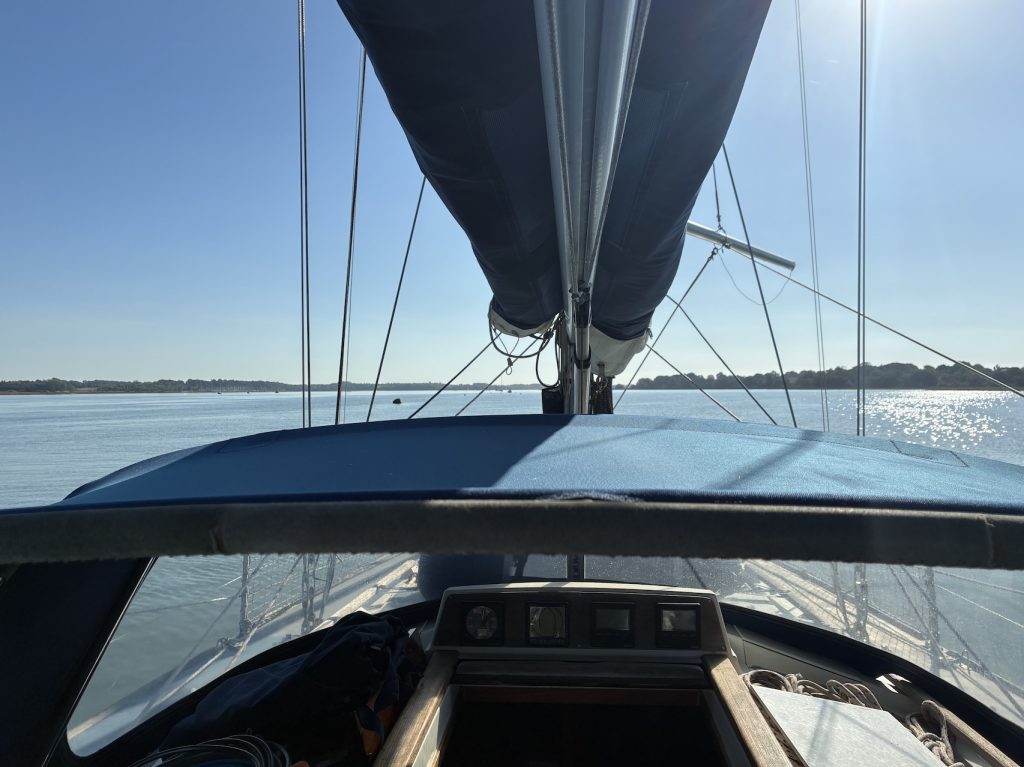
25th September at anchor off Colton Creek River Orwell after a few hours sleep
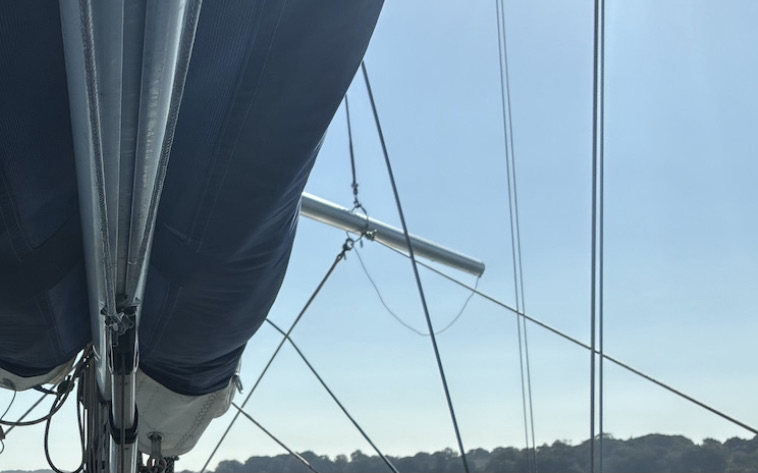
Sorting out the Spinaker Pole in the dark when tired is not necessary. Nor do you have to stow the pole when NOT in use underway. Uphaul, downhaul & guy keep it rigidly in place
I did not much fancy the marina at 0300. Colton Creek and a still night at anchor was by far the easiest and most pleasurable option. So here we are!
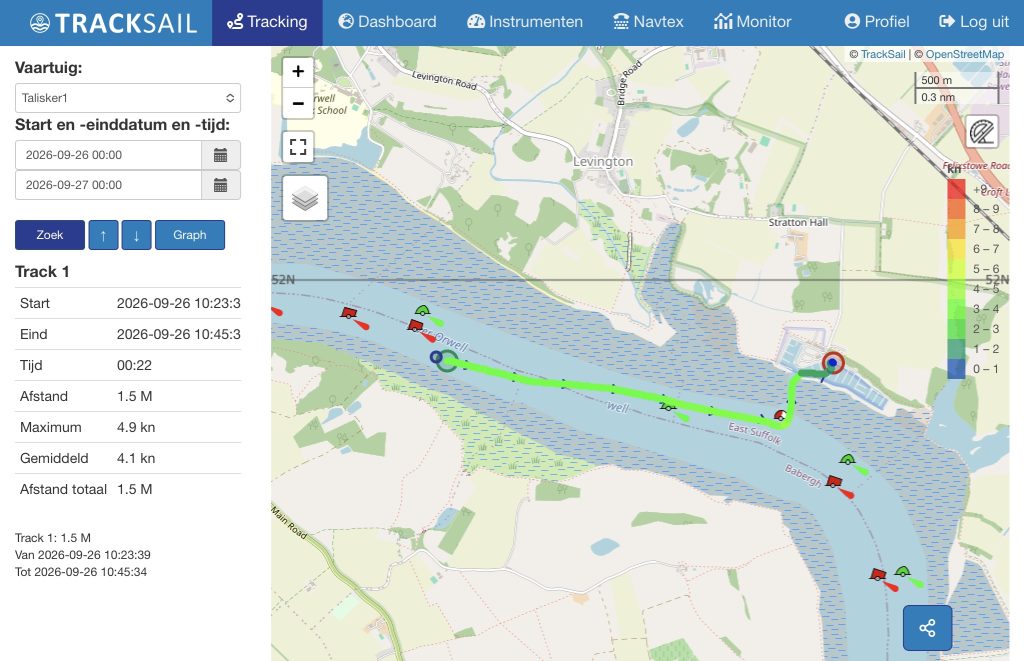
26th September Colton Creek to Suffolk YH
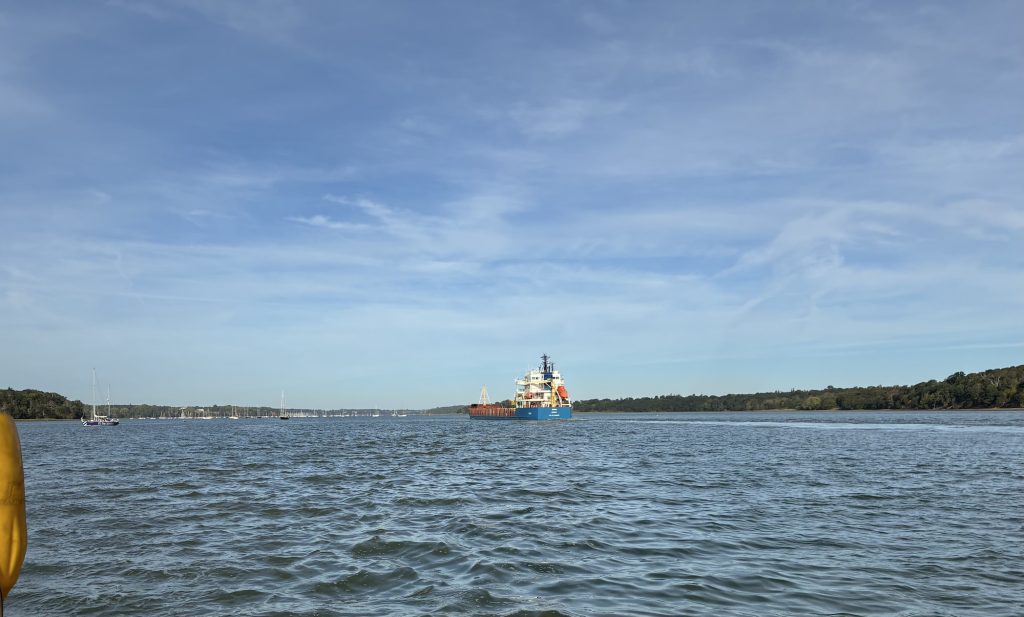
26th September traffic inbound to Ipswich
27th September
I’m home having motored the short distance from Colton Creek to Suffolk YH yesterday morning.
I had a conversation with a techie guy while he updated the charts on my plotter before leaving Suffolk on the 11th September. I mentioned that I was still using Pilot Books, Paper Charts, Tidal Stream Atlases etc., and that the plotter and GPS were secondary.
His reply was, “I just want to go sailing. I don’t want to spend my time at the chart table when I could be enjoying the sailing.” I said nothing.
My simpleton opinion is that it is essential to learn and practise traditional navigation. A passage plan, however long or short is completed before departure. That includes everything a passage plan should include and more. THAT is the time spent at the chart table or spread out in comfort at the saloon table.
Underway, time spent at the chart table is minimal. Less than a minute to plot a position or check a port’s VHF number etc.
If a candidate was being examined on passage that candidate would fail if he or she spent too much time at the chart table.
I’m still wondering about the contact I received from Channel VTS when outward bound to Oostende from Ramsgate. And then, with arguably a busier TSS to negotiate, no contact at all when inbound to Ramsgate from Dunkerque. Thinking back, I was clearly hove to, just outside the lane, head up, in to the strong westerly tidal stream. When the ships were clearly past, we would bare away and accelerate across the TSS with the tidal stream in our favour.
Clever Doc! My ‘Slack Alice’ ties on the leach ring of each reef in the main, attached with a ring to the topping lift makes main sail management easier when taking the sail down. They pull the sail back and I’ve used them for years.
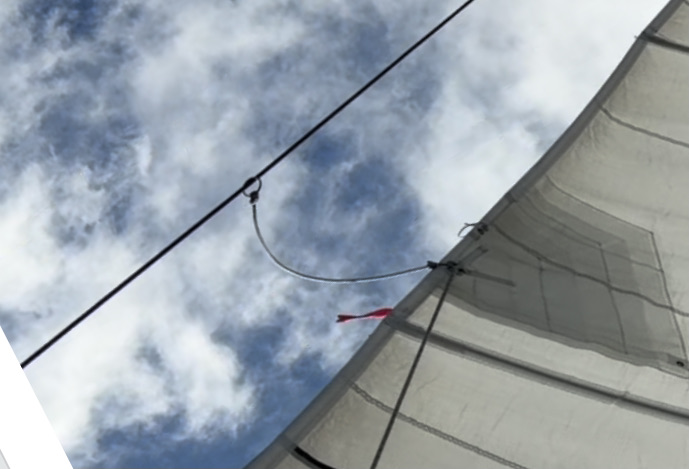
Slack Alice on the 3rd reef
But Doc recently suggested another crafty aid for short handed sailing and us single-handers.
For those with a stack or even just lazy jacks here is another Doc suggestion. When taking down the main on a windy day and often outside a harbour entrance in a chop, taming the main sail with speed, to neatly flake later and sort out when at anchor or alongside, is more than helpful. Here is my version. The sail in the picture is neatly flaked but these lines are long enough to attach over a disordered sail that’s just come down. I have four. Mine clip on one side when the sail is up and I don’t notice them. They are on in a trice and the sail is tamed for me to concentrate on safe arrivals. For those with no stack, but with lazy jacks only, I’m sure eyes could be woven / tied in to the lazy jacks at the right height to achieve the same result. Someone will say they do this already or have their own version but I have stood on Doc’s shoulders, yet again, to steel this simple and brilliant aid to short handed sail management. Getting back in to the cockpit quickly with the sail tamed makes life so much less anxious. Thank you Doc. Doc has called them SailTamers.
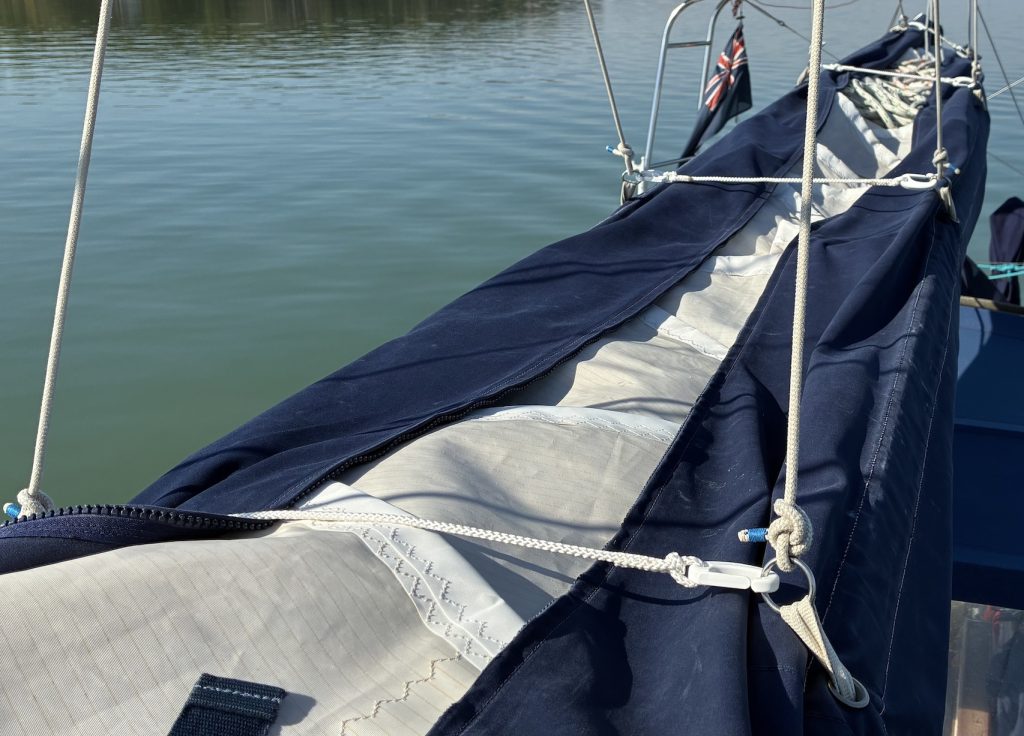
The sail in the picture is neatly flaked but these SailTamers are long enough to attach over a disordered sail that’s just come down
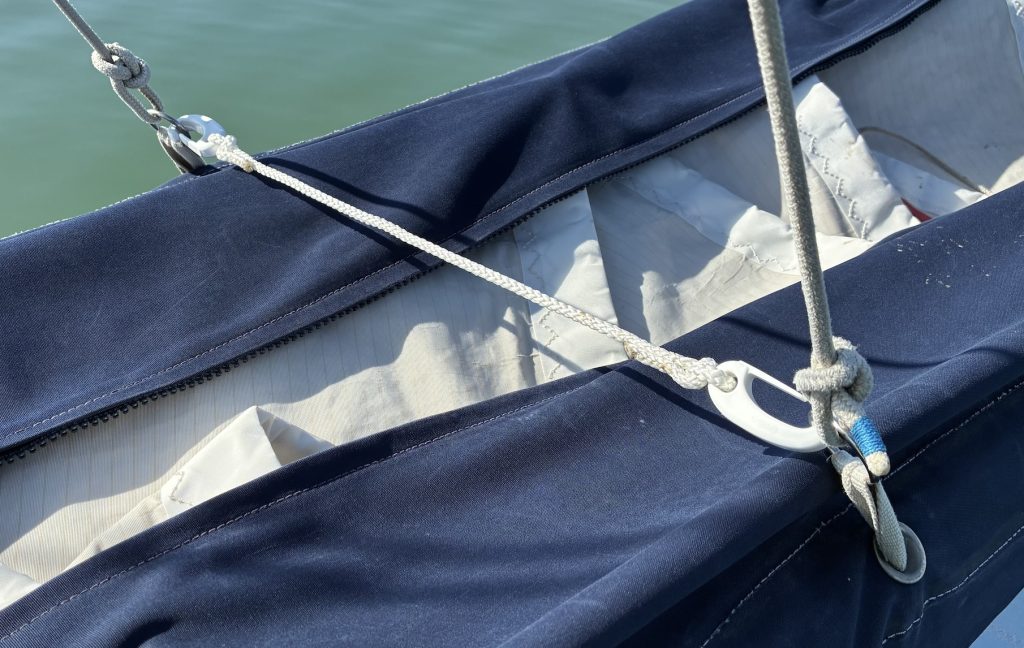
A SailTamer
Heads up to my chum Simon Munters, the Harbour Master at the Royal North Sea YC Oostende, for looking after me and my ship so well.
Today there is a chill in the air. As lovely as it is to be away sailing it is also wonderful to be home.
Leave a Comment